When it comes to powering your RC vehicles, the evolution of battery technology has played a pivotal role in the performance, runtime, and overall enjoyment of the hobby. From the early days of Nickel-Cadmium (NiCd) batteries to the more advanced Lithium Polymer (LiPo) options we have today, each step forward has brought significant improvements—and a few challenges. In this post, we’ll take a journey through the history and development of RC batteries, exploring the strengths and weaknesses of each type, and why understanding these differences matters for your RC experience.
The Early Days: Nickel-Cadmium (NiCd) Batteries
Nickel-Cadmium, or NiCd, batteries were the first widely used rechargeable batteries in RC vehicles. Introduced in the 1960s, they quickly became the standard for the hobby due to their durability and relatively low cost1.
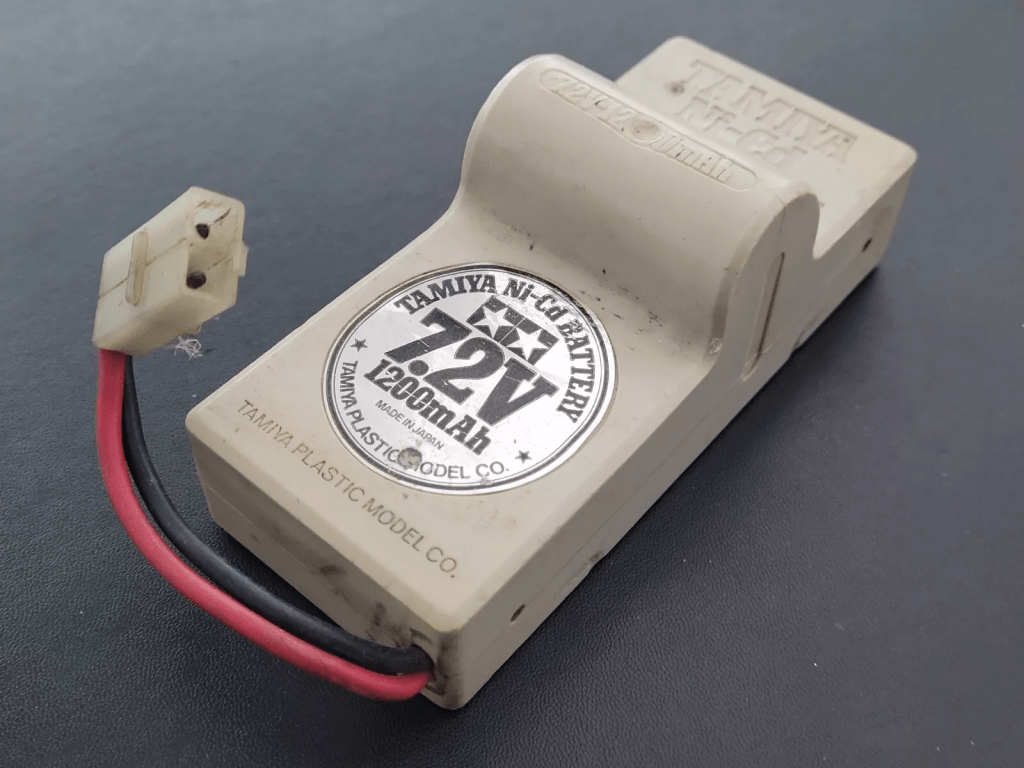
Pros:
- Durability: NiCd batteries are known for their robust build, capable of handling a fair amount of abuse, which was especially useful for the rough-and-tumble nature of RC cars and planes.
- High Discharge Rates: NiCd batteries could provide the necessary burst of power required for high-performance RC vehicles, especially in the early days of the hobby.
Cons:
- Memory Effect: One of the biggest drawbacks of NiCd batteries was the “memory effect.” If these batteries weren’t fully discharged before being recharged, they could “remember” the reduced capacity, leading to shorter runtimes over time.
- Weight: NiCd batteries are relatively heavy compared to modern alternatives, which could affect the handling and performance of RC vehicles.
- Environmental Impact: Cadmium is a toxic metal, making NiCd batteries less environmentally friendly and more challenging to dispose of properly.
Despite these drawbacks, NiCd batteries were the go-to choice for RC enthusiasts for decades. However, as technology advanced, a new contender emerged on the scene.
The Next Step: Nickel-Metal Hydride (NiMH) Batteries
In the 1990s, Nickel-Metal Hydride (NiMH) batteries began to replace NiCd batteries as the standard for RC vehicles. NiMH offered several advantages over their predecessors, addressing some of the key issues that NiCd batteries presented.
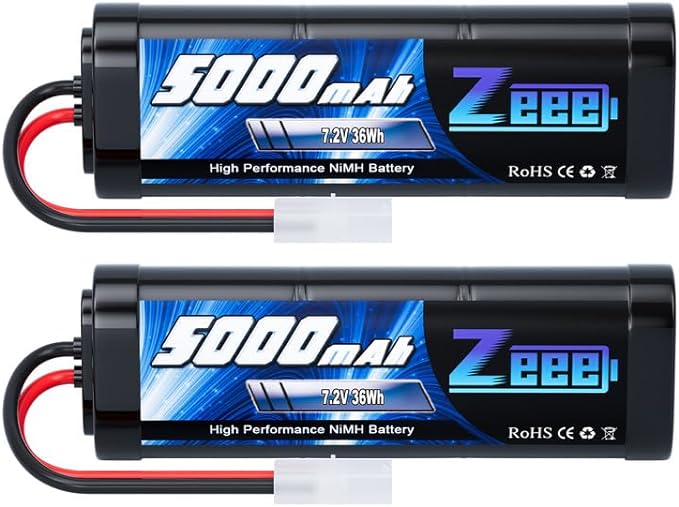
Pros:
- No Memory Effect: Unlike NiCd batteries, NiMH batteries do not suffer from the memory effect, allowing users to recharge them without worrying about fully discharging them first6.
- Higher Capacity: NiMH batteries generally offer higher capacity than NiCd batteries, resulting in longer runtimes for RC vehicles.
- Less Toxic: NiMH batteries are more environmentally friendly than NiCd, as they do not contain toxic cadmium.
Cons:
- Weight: While NiMH batteries are an improvement over NiCd in many ways, they are still relatively heavy compared to the latest battery technologies.
- Self-Discharge Rate: NiMH batteries tend to lose charge over time, even when not in use, which means they need to be recharged more frequently if stored for extended periods.
NiMH batteries brought significant improvements to the RC world, offering more power and convenience. They became the new standard for many years, but as with all technology, the quest for better performance continued.
The Game-Changer: Lithium Polymer (LiPo) Batteries
The introduction of Lithium Polymer (LiPo) batteries revolutionized the RC hobby. These batteries offered a dramatic improvement in power-to-weight ratio, making them the preferred choice for serious enthusiasts.
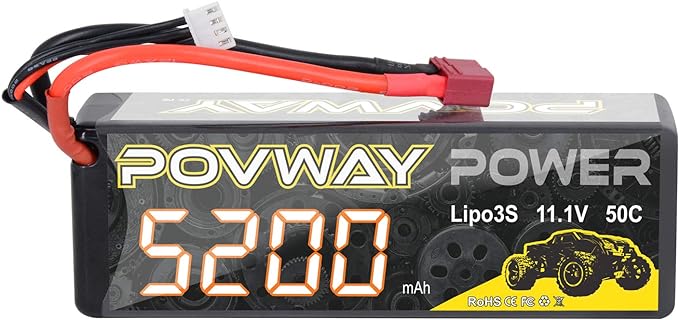
Pros:
- High Energy Density: LiPo batteries offer a much higher energy density than both NiCd and NiMH batteries, meaning they can store more energy in a smaller, lighter package. This results in significantly longer runtimes and faster speeds for RC vehicles.
- Flexible Form Factor: LiPo batteries are not confined to a rigid shape, allowing manufacturers to create batteries that fit specific spaces within RC models more easily.
- Low Self-Discharge: LiPo batteries have a low self-discharge rate, meaning they can hold a charge for longer periods when not in use.
Cons:
- Safety Concerns: LiPo batteries are more volatile than NiCd or NiMH batteries and require careful handling. Improper charging, physical damage, or overheating can cause them to catch fire or explode.
- Cost: LiPo batteries tend to be more expensive than NiCd or NiMH batteries, both in terms of the battery itself and the required chargers and accessories.
- Complexity: LiPo batteries require special chargers and careful monitoring of cell voltage to ensure safe and efficient charging, making them a bit more complex for beginners to use.
Despite these challenges, the benefits of LiPo batteries have made them the dominant choice for most RC enthusiasts today, particularly those involved in racing or using high-performance models.
Other Stops Along the Way: Exploring Alternative Battery Technologies
While NiCd, NiMH, and LiPo batteries are the most common types used in RC, there are a few other technologies worth mentioning:
- Lithium-Ion (Li-ion) Batteries: Similar to LiPo in chemistry but typically housed in a cylindrical form, Li-ion batteries are used in some RC applications. They offer high energy density and are less prone to damage but are not as common due to their rigid structure.
- LifePO4 (Lithium Iron Phosphate) Batteries: These are a safer alternative to LiPo batteries, offering greater thermal stability and a longer lifespan. However, they have lower energy density, which means they are heavier and larger for the same capacity.
Conclusion: Choosing the Right Battery for Your RC Needs
Understanding the differences between various battery types is crucial to optimizing your RC experience. Whether you prioritize safety, power, or convenience, being informed about the pros and cons of each battery type will help you make the best decision for your specific needs.
Today, LiPo batteries have become the go-to choice for most RC enthusiasts, thanks to their superior power and flexibility. With advancements in technology, LiPo chargers have become more intuitive and user-friendly, and the necessary safety precautions are well established. Unless you have a specific niche requirement that calls for a different type of battery, you’ll likely find yourself relying on LiPos for their unmatched performance benefits.
However, with power comes responsibility. Proper handling of LiPo batteries is essential to ensure both your safety and the longevity of your equipment. Always charge your batteries in a fire-proof box or, at the very least, use fire-proof charging bags. And under no circumstances should you ever leave charging batteries unattended. These simple precautions can prevent accidents and allow you to enjoy your RC hobby with peace of mind.
I learned the importance of these precautions the hard way. In 2020, a mishandled LiPo battery led to a garage fire that caused extensive damage, resulting in nearly six months of rebuilding and remodeling. Stay tuned for a future article where I’ll share the full story of that fateful day and the lessons learned.
As technology continues to advance, we can expect even more innovations in battery technology, further enhancing the RC experience and pushing the limits of what our vehicles can achieve.
— Coby R



 Rapid Rhino RC
Leave a comment