Selecting the right LiPo (Lithium Polymer) battery is crucial for unlocking the full potential of your RC vehicle. The wrong choice can lead to subpar performance, reduced runtimes, and even potential safety hazards. With so many specifications and options available, making an informed decision can be daunting. In this comprehensive guide, I’ll demystify the key factors you need to consider—such as cell count, capacity, discharge rates, and more—to help you choose the perfect LiPo battery for your specific RC needs and ensure optimal performance and safety.
1. Number of Cells (S Rating)
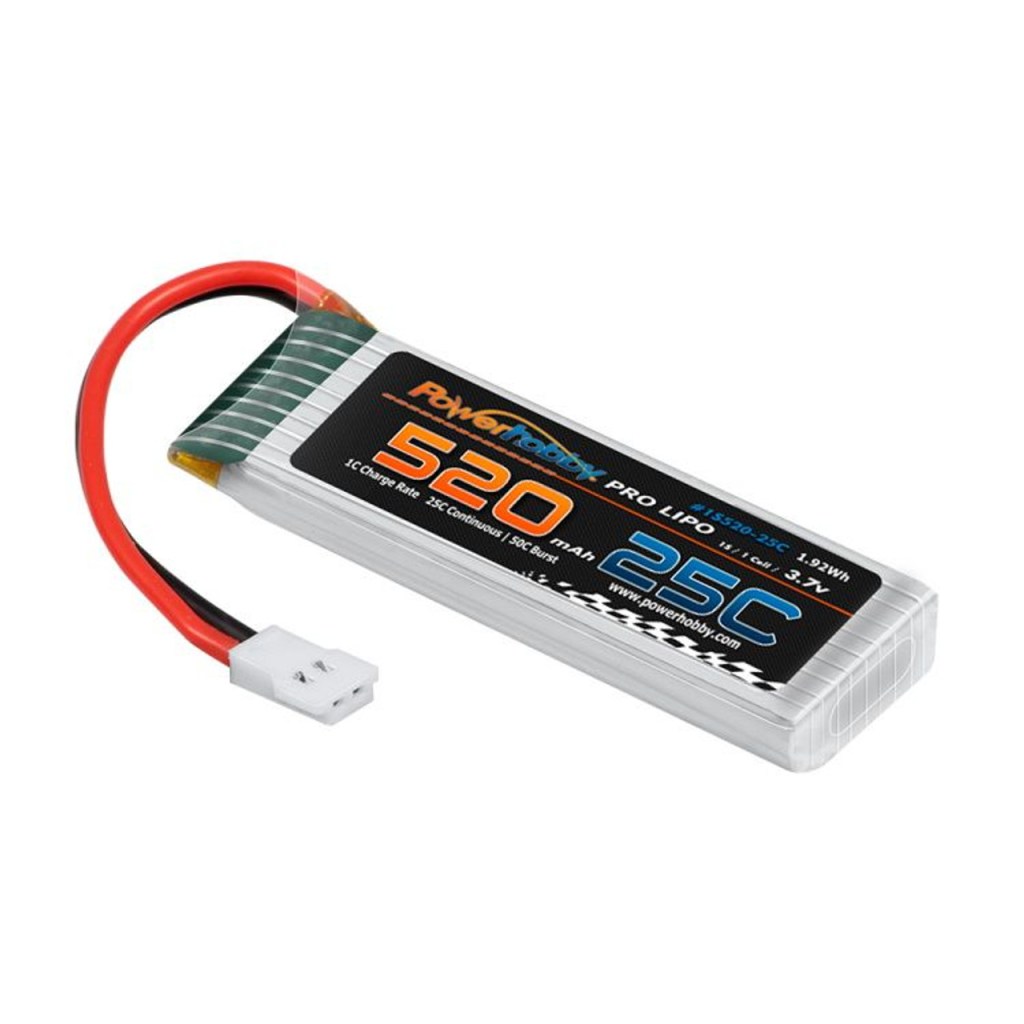
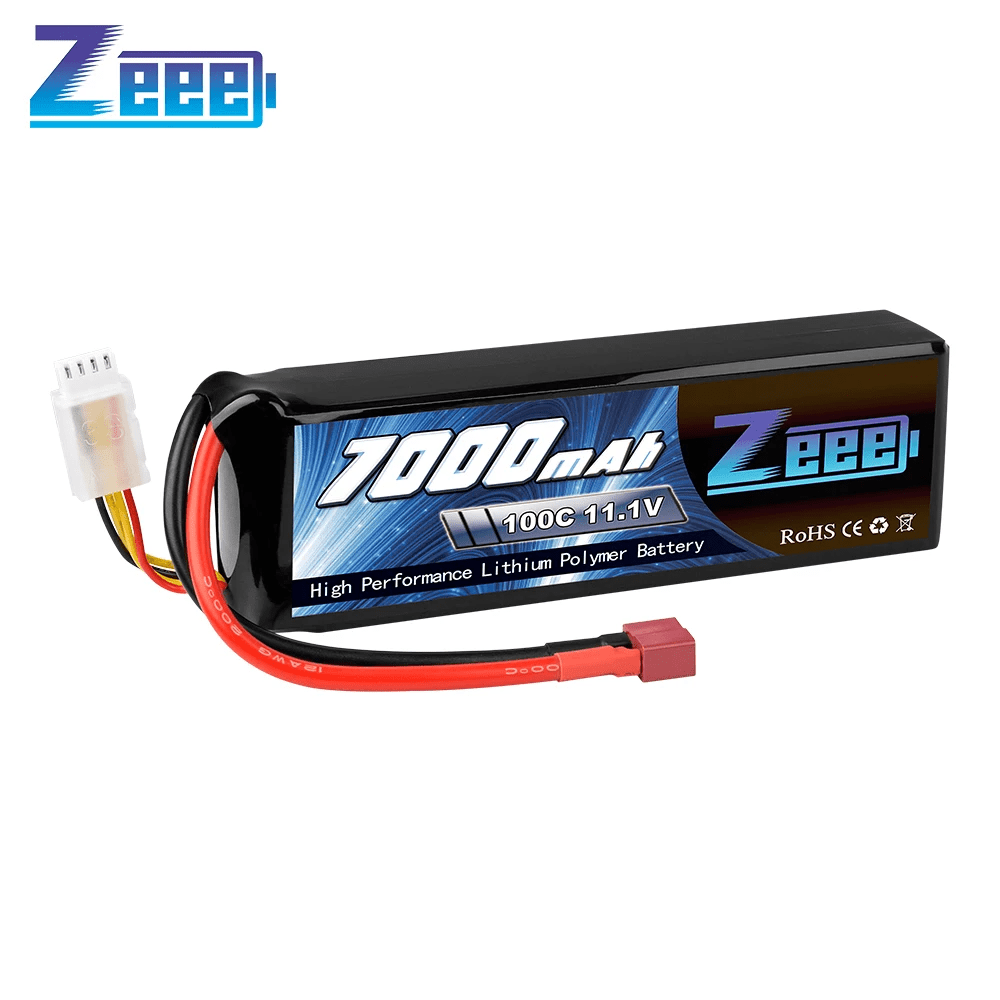
The number of cells in a LiPo battery is indicated by the “S” rating, which refers to how many individual cells are wired in series within the battery pack. Each cell typically has a nominal voltage of 3.7 volts. The number of cells directly impacts the voltage of the battery pack, which in turn influences the speed and power of your RC vehicle.
Common Configurations
- 1S: 3.7V (used in very small, low-power RC models)
- 2S: 7.4V (common in many 1/10th scale RC cars and trucks)
- 3S: 11.1V (used for more powerful 1/10th scale models and some 1/8th scale vehicles)
- 4S: 14.8V (popular in high-performance 1/8th scale models and larger aircraft)
- 6S: 22.2V (typically used in very powerful 1/8th scale vehicles, large aircraft, and some boats)



Why It Matters
The number of cells determines the battery’s voltage, directly influencing your RC vehicle’s speed and power. Always ensure that the battery’s voltage matches your Electronic Speed Controller (ESC) specifications. Using too high a voltage can damage your electronics, while too low a voltage may lead to unsatisfactory performance. Checking compatibility between your battery and ESC is essential for optimal and safe operation.
2. Capacity (mAh)
The capacity of a LiPo battery, measured in milliampere-hours (mAh), indicates how much energy the battery can store. Essentially, it’s a measure of the battery’s “fuel tank.” A higher mAh rating generally means longer runtime, allowing you to enjoy extended driving sessions without frequent recharges.
Common Capacities
- 1000mAh to 2000mAh: Typically used in smaller RC vehicles or lightweight applications.
- 3000mAh to 5000mAh: Common for 1/10th scale RC cars and trucks, offering a good balance between runtime and weight.
- 5000mAh to 8000mAh: Used in larger or more powerful RC vehicles, providing extended runtime.
Why It Matters
While a higher mAh rating provides longer runtimes, it also results in a larger and heavier battery, which can affect the handling and performance of your RC vehicle. Balancing capacity with size and weight is essential for optimizing both performance and endurance.
3. Discharge Rate (C Rating)
The discharge rate, denoted by the “C” rating, indicates how quickly the battery can deliver power. It’s expressed as a multiple of the battery’s capacity (mAh). However, it’s important to note that the C rating is often used more for marketing purposes than as a reliable measure of performance. Manufacturers may list high C ratings to appeal to customers, but these numbers don’t always accurately reflect real-world performance.
How It’s Calculated
The C rating is intended to help you determine the maximum continuous current a battery can theoretically deliver. For example, if you have a 5200mAh battery with a 100C rating, the maximum continuous discharge rate is calculated as:
5200mAh (or 5.2A) x 100C = 520A
This suggests that the battery could deliver 520 amps continuously, which is far beyond what most RC setups would ever require.
Real-World Application
While the C rating might suggest that a battery can deliver massive amounts of current, the reality is that no RC vehicle would run at the maximum C rating for any significant length of time. Let’s calculate how long this battery could theoretically power a vehicle at its full discharge rate:
- Battery Capacity: 5200mAh (or 5.2 Ah)
- Max Continuous Discharge: 520A (as per 100C rating)
- Run Time at Full Discharge Rate: 5.2Ah ÷ 520A = 0.01 hours or 36 seconds
If a vehicle were to draw the maximum current suggested by the 100C rating, the battery would be depleted in just 36 seconds. This clearly illustrates that the C rating is more of a theoretical upper limit rather than a practical measure of how the battery will perform in typical RC applications.
Choosing the Right C Rating
When selecting a battery, consider the current draw requirements of your specific RC vehicle:
- Small RC Cars and Drones: 25C to 35C is typically sufficient.
- Standard 1/10th Scale Vehicles: 35C to 50C provides a good balance between performance and battery lifespan.
- High-Performance or Racing Applications: 50C and above may be necessary to meet the demanding power needs.
Important Considerations:
- Avoid Under-rating: Using a battery with too low a C rating can lead to voltage sag, reduced performance, and potential overheating.
- Beware of Over-rating: Extremely high C ratings often come at the expense of capacity and can be more expensive without providing tangible benefits for most users.
- Trust Reputable Brands: Opt for batteries from trusted manufacturers who provide realistic C ratings and quality assurance.
4. Connector Types
Common Connector Types
Connectors are the interface between your LiPo battery and your RC vehicle’s electronic system. The right connector ensures efficient power transfer and compatibility with your setup.
- Deans (T-Plug): Compact and widely used, suitable for moderate current draws.
- XT60/XT90: Known for reliability and ease of use; XT90 is suited for higher current applications.
- EC3/EC5: Common in Horizon Hobby products; provide secure connections.
- Traxxas Connector: Designed specifically for Traxxas vehicles, offering high current handling.
Why It Matters
Using the correct connector type ensures a safe and efficient connection, minimizing resistance and preventing potential power loss or overheating. Always ensure that your battery’s connector matches or is compatible with your RC vehicle’s system, or use appropriate adapters when necessary.
5. Physical Size and Weight
The physical dimensions and weight of the battery are crucial factors, as they determine whether the battery will fit into your RC vehicle’s battery compartment and how it will affect the vehicle’s performance.
Considerations
- Battery Tray Size: Always check the dimensions of your battery compartment and compare them with the size of the battery you’re considering. Most manufacturers provide the dimensions of their batteries, allowing you to ensure a proper fit.
- Weight Distribution: Heavier batteries can affect the center of gravity and overall handling of your RC vehicle. For example, a heavy battery might be beneficial in crawling applications for added traction, but it could be a disadvantage in racing due to increased inertia.
Why It Matters
Choosing a battery that physically fits your RC vehicle is obviously essential, but beyond that, considering the weight and how it impacts the balance and handling of your vehicle is important for optimizing performance.
6. Balancing Leads
Balancing leads are additional wires on a LiPo battery that allow for the equalization of voltage across all cells during charging. This ensures that each cell is charged to the same voltage, promoting safety and extending the battery’s life.
Why It Matters
Balancing your LiPo batteries during every charge is essential for maintaining their performance and preventing issues like overcharging a cell, which can lead to dangerous situations such as swelling or even fires.
7. Safety Features
Safety features on LiPo batteries can include built-in protections like overcharge and discharge protection, thermal cutoff, and short circuit protection.
Why It Matters
Given the potential risks associated with LiPo batteries, selecting batteries with robust safety features is crucial. Additionally, investing in quality chargers that offer balance charging, temperature monitoring, and storage charge functions can further enhance safety.
Conclusion: Empower Your RC Experience with the Right LiPo Battery
Selecting the appropriate LiPo battery is fundamental to achieving optimal performance and enjoyment from your RC vehicles. By understanding and carefully considering factors such as cell count, capacity, discharge rates, physical dimensions, and safety features, you can make informed choices that suit your specific needs and applications.
Remember, safety and proper maintenance are just as important as selecting the right specifications. Always use quality chargers, follow recommended charging practices, and regularly inspect your batteries for signs of wear or damage. Ensuring your batteries are well-maintained not only prolongs their lifespan but also enhances the overall safety of your RC experience.
Staying informed and attentive to your equipment ensures not only peak performance but also prolonged battery life and safe operation. Embrace the knowledge and enjoy the exhilarating experience that well-powered RC vehicles offer.
Happy driving and stay safe!
— Coby R



 Rapid Rhino RC
Leave a comment